Building on Foundations
What Previous Projects Reveal About Food Access in Utrecht
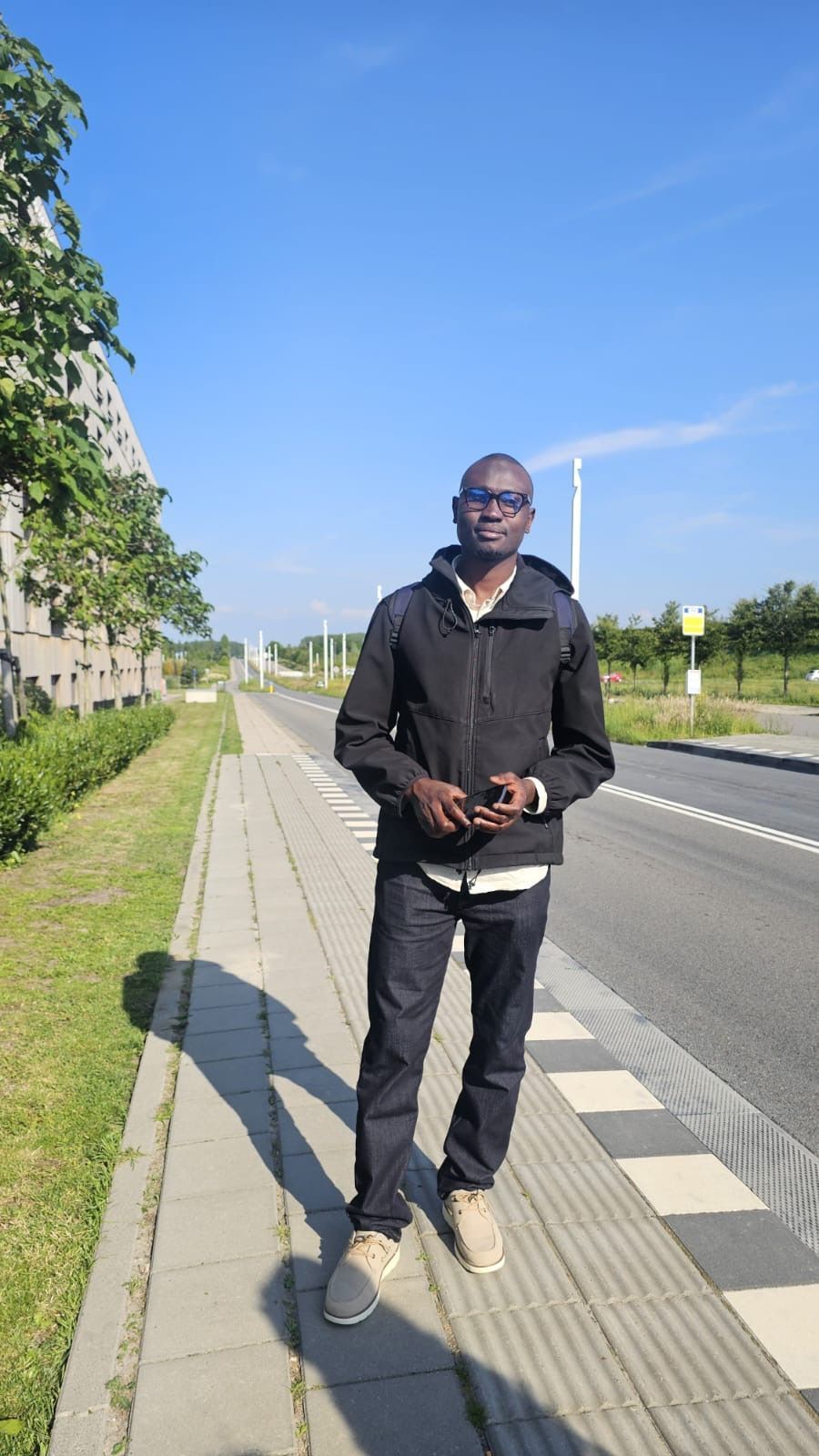
My name is Ebenezer Abo Musa, and I'm currently undertaking a cross-over internship at Duurzaam Utrecht 2030 as part of my Master's in Food Systems Innovation at Aeres University of Applied Sciences. My journey into food systems began in Ghana, where I earned my Bachelor of Science in Agriculture from Kwame Nkrumah University of Science and Technology. Working on both crop and animal farms, and later as a high school science teacher, deepened my commitment to food justice, environmental stewardship education, agricultural food production, and climate action. These experiences shape how I approach food systems—not just as technical challenges, but as matters of equity and community empowerment.
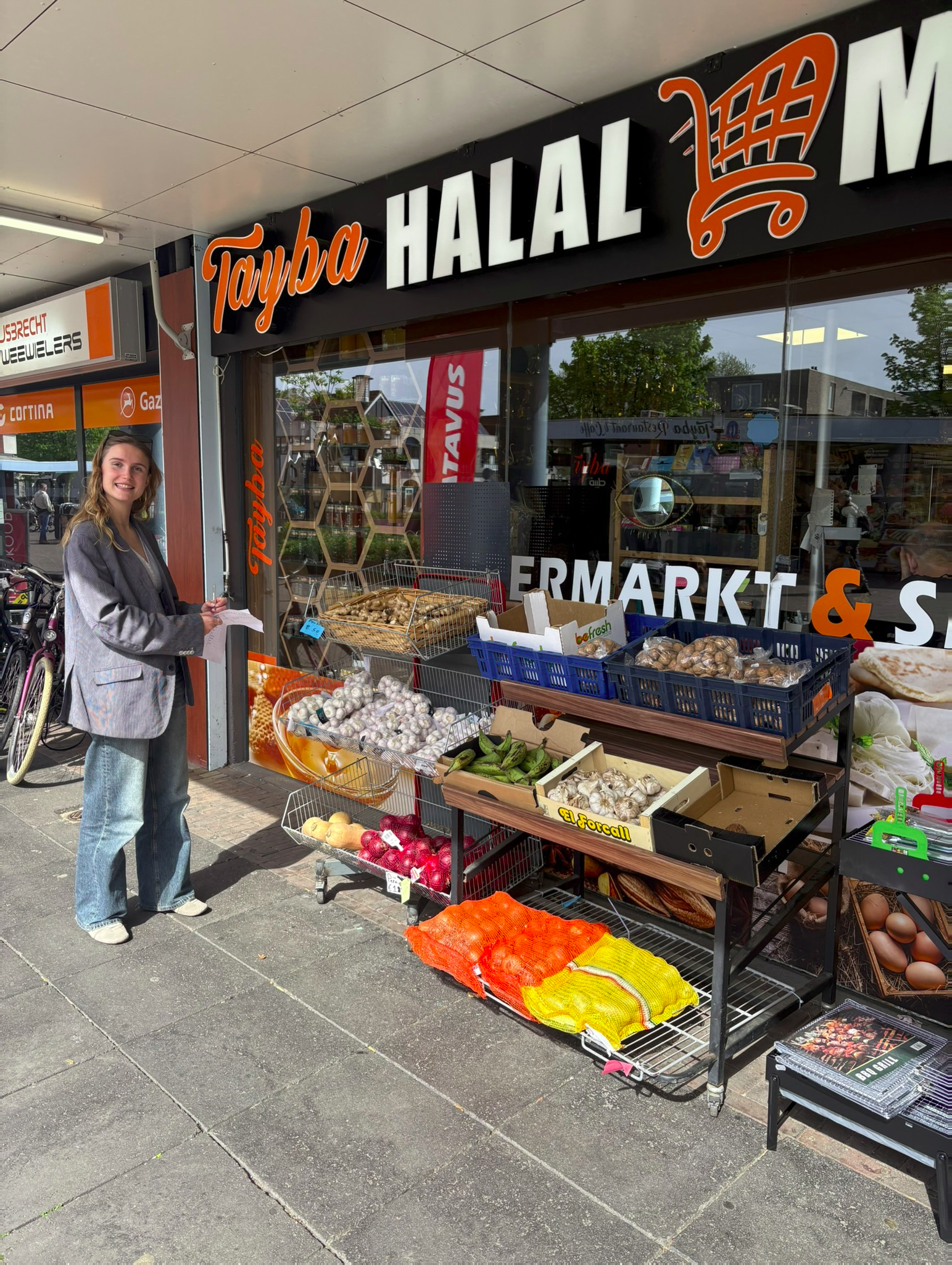
At Duurzaam Utrecht 2030, I'm examining three interconnected projects that explore pathways to sustainable food access for lower-income residents. The 2023 Lunetten and 2024 Kanaleneiland organic grocery voucher trials revealed crucial insights: while participants valued access to organic products, barriers extended beyond affordability to include convenience, awareness, and the scarcity of welcoming retail spaces. Participants expressed desires not just for subsidized groceries, but for cooking skills and knowledge about food preparation.
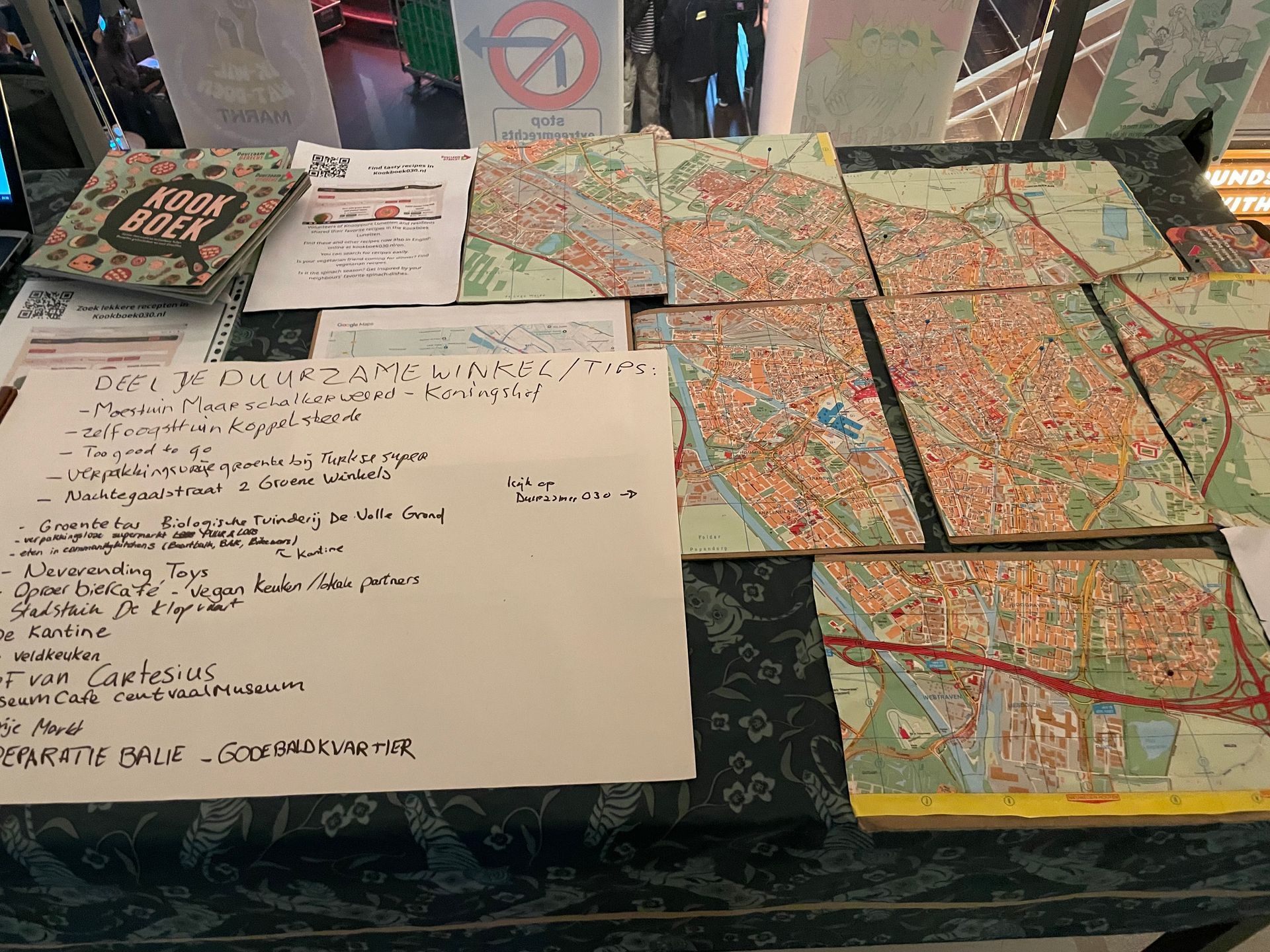
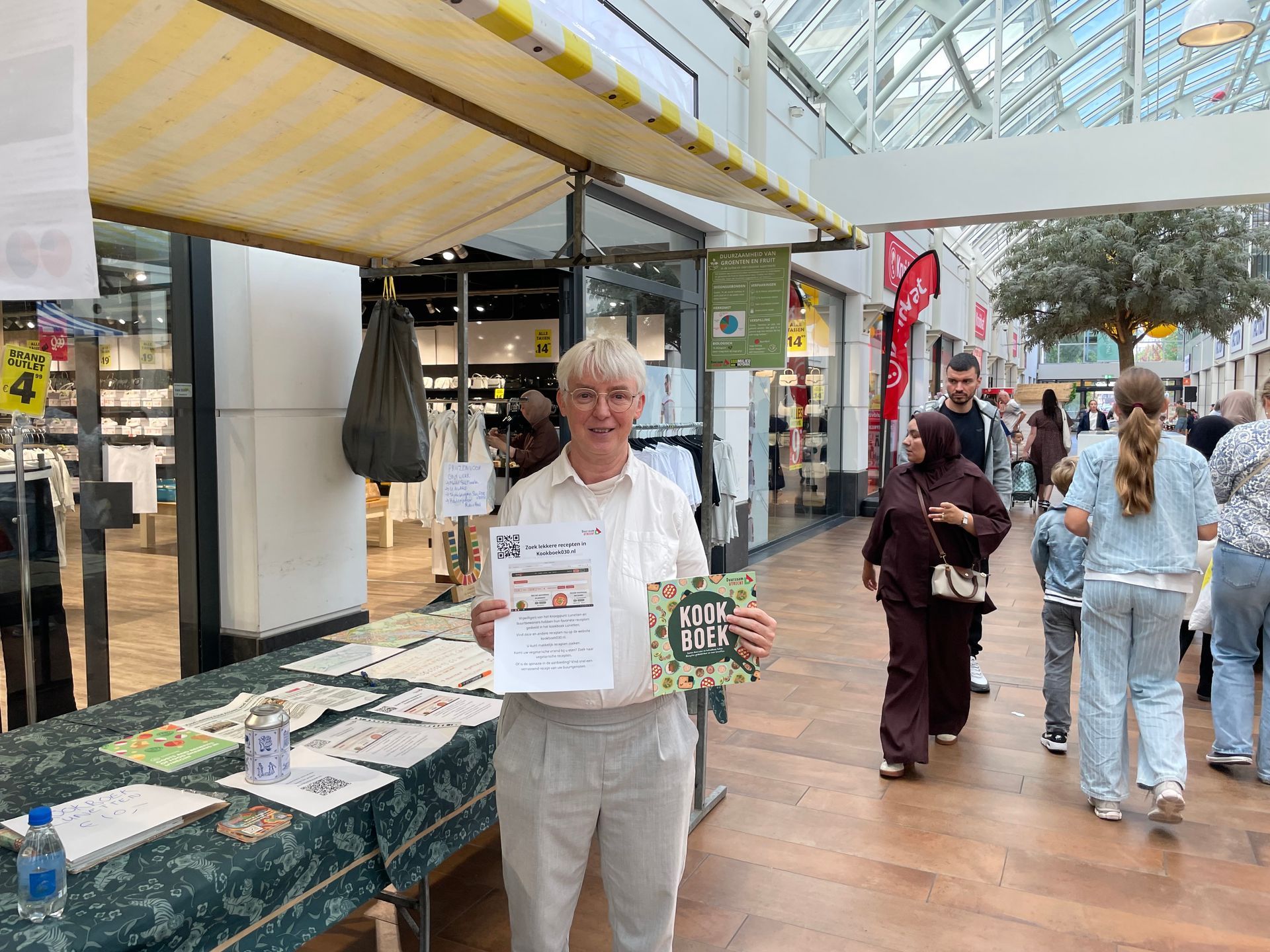
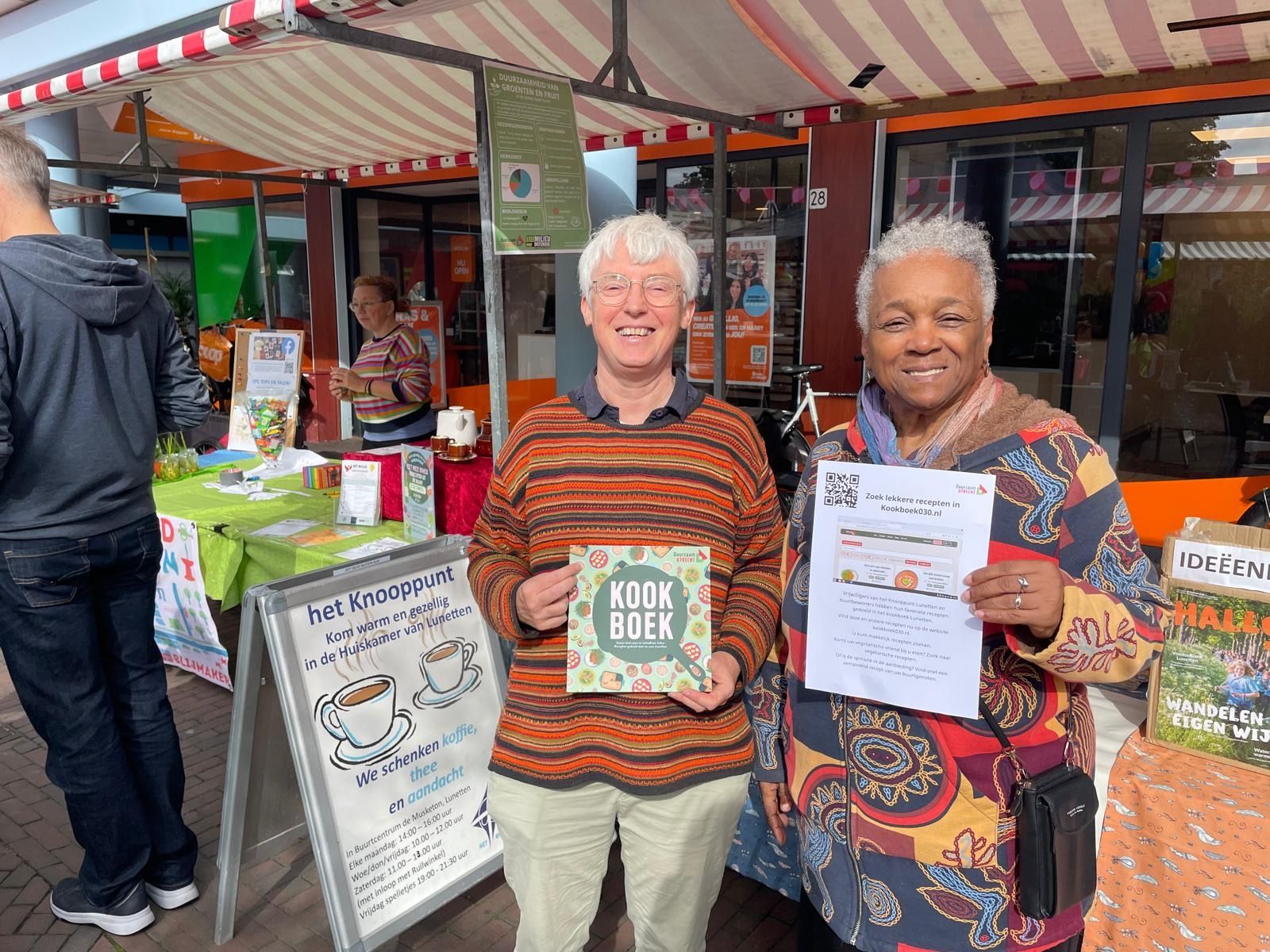
My current research examines the cookbook project emerging from these earlier efforts, specifically in Lunetten. I'm exploring how food literacy initiatives might either perpetuate or challenge structural inequalities in food access. Rather than assuming communities lack knowledge, I'm investigating what sustainable food practices already exist within communities and how collaborative approaches might amplify rather than replace existing wisdom. This work honors the foundations laid by previous researchers while asking deeper questions about whose knowledge counts in creating sustainable food futures.