Sustainable street interviews
University College Utrecht students interviewed people in Lunetten about sustainable food choices

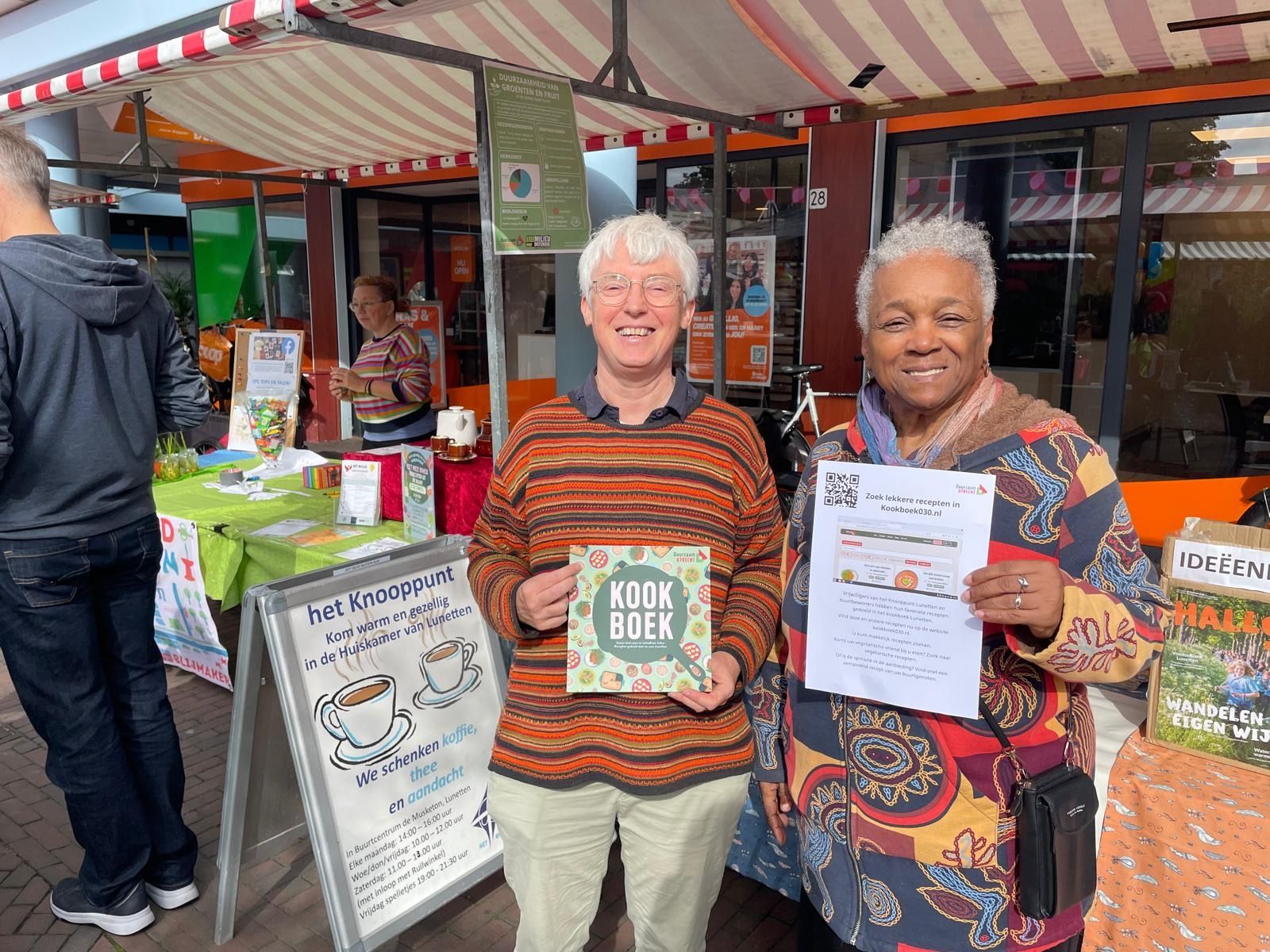
Hey!! My name is Sasha, and this second week we’re working with Ineke, I’ll be writing a little blogpost to give you an idea of what we did and discovered! Last Thursday (the 19th), we assembled again at Musketon, the community centre of Lunetten. There we reflected on what our goals and feelings were for the project; the main idea coming from that was that we, the students, are excited to narrow down the project a bit more. There is luckily quite some freedom regarding what we want to focus on for the next couple weeks, as long as it deals with sustainability obviously. Now we wanted to first start with interviewing some people in Lunetten on the streets, to make sure we start with that bottom-up approach. Maybe residents here give us totally different perspectives from what we’ve been brooding on!
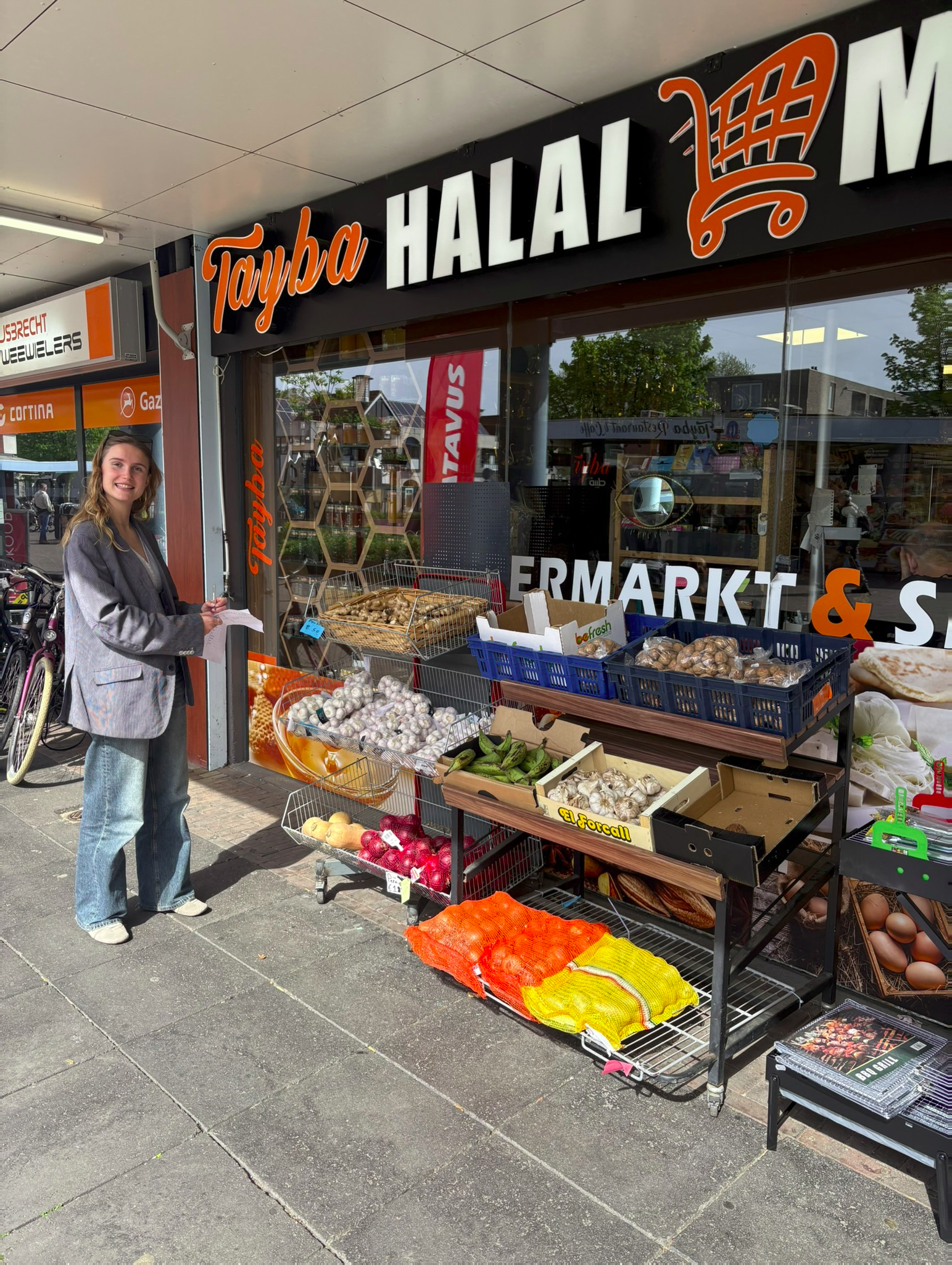
So, there we went, splitting into two groups to find people that were willing to speak to us a little bit about their views on integrating the value of sustainability in their daily lives, with specific regards to food consumption and purchase. Here a brief summary of who we encountered!:
My group (Mia, Lula, Sasha) spoke to 5 people in total.
the first lady: Chinese woman
She explained that she willingly spent more money on bio meat, as she found that very important. To completely stop eating meat was not really an option, more because of cultural reasons, coming from a Chinese background. For her a solution to sustainability issues didn’t lie at the purchase but at the problem of food waste: when she still lived by herself she had to throw out quite some food. Therefore, if she had to think of a local solution she’d think of a place where people can donate their food that otherwise would be thrown away, so other people can pick it up. That was a new perspective. However, this is probably not something we can focus on, plus: it already sort of exist on a bigger scale: the buurtbuik initiative. (There are 2 centers not too far away that organize free weekly meal with what they collected)
the second man:
This student explained that being sustainable was something he found important, but the primary factor standing in the way was: budget. It’s simply too expensive to actually buy organic food. Additionally he didn’t want to be a vegetarian, but was aware that in order to live more sustainably he should buy less. He stated that ecological problems were of his concern, but definitely less pressing than ‘cost of living’ i.e. rent prices.
the third man:
The conversation with this man was interesting, because we tried to steer the conversation to sustainability, but it didn’t really work. He mostly talked about that he struggled with health issues. We drew from this that this stood too much in the way of focusing on other values in life. It felt like he did not know much about living sustainably.
fourth woman:
his woman tried to apply sustainability in her daily life in all kinds of fields: the amount of water to use for spraying her plants, trying more vegetarian food, trying to barely use the car. She said she was actually happy with the way she pursued this value sustainability.
fifth woman:
This last woman we spoke, was funnily enough the only person in her family to not be vegan. She explained to us that in the block she lived in, in Lunetten, there were already a lot of sustainable initiatives, including mostly energy information sessions and solar panel purchase initiatives. This was nice to hear!
The other group (Oliver, Montserrat) spoke to two people, who both explained to care a lot about sustainability, including eating organic food/vegetarian food. The second person again stressed the expenses of following this. They also mentioned the importance of the community garden in Overvecht.
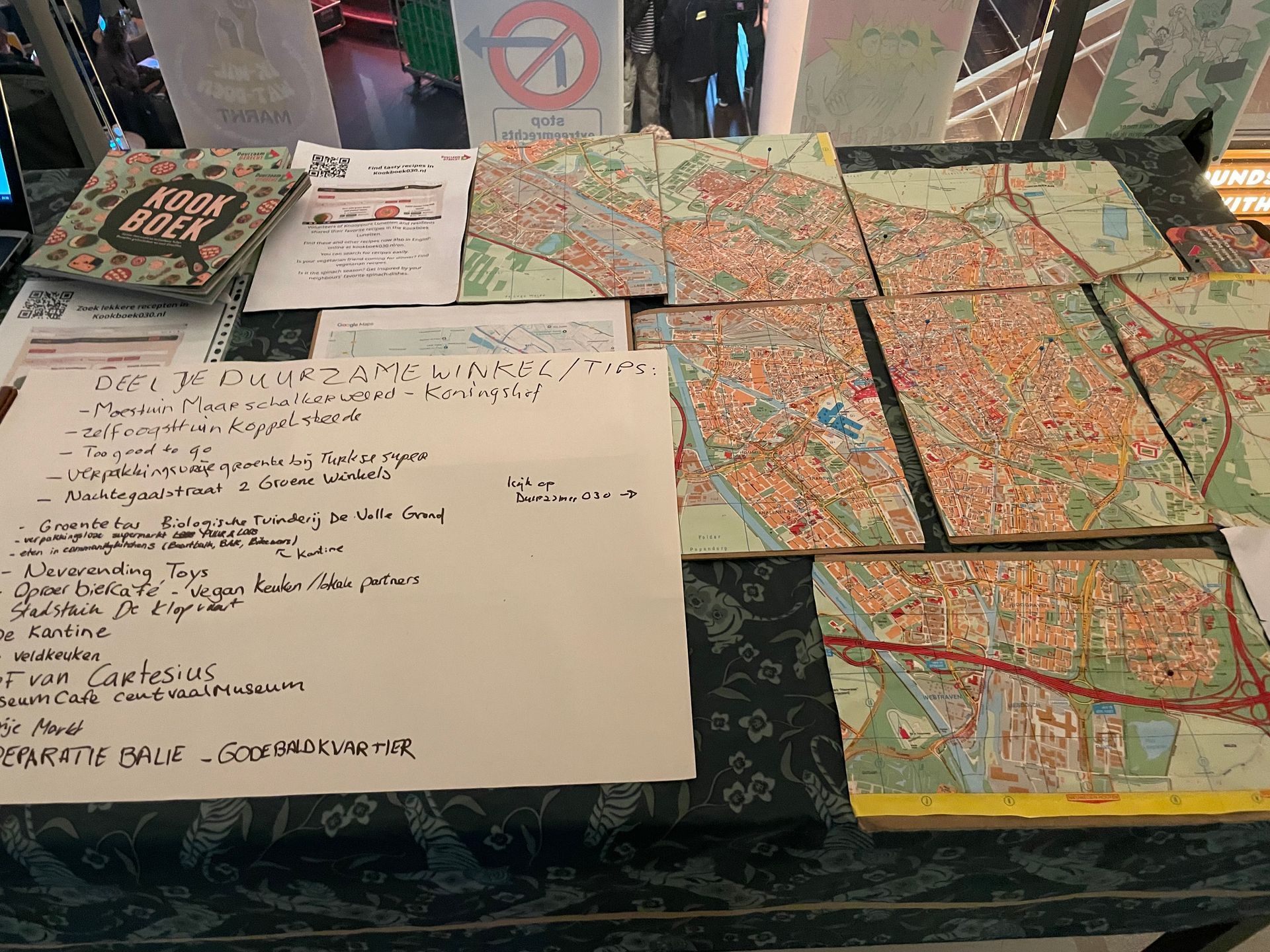
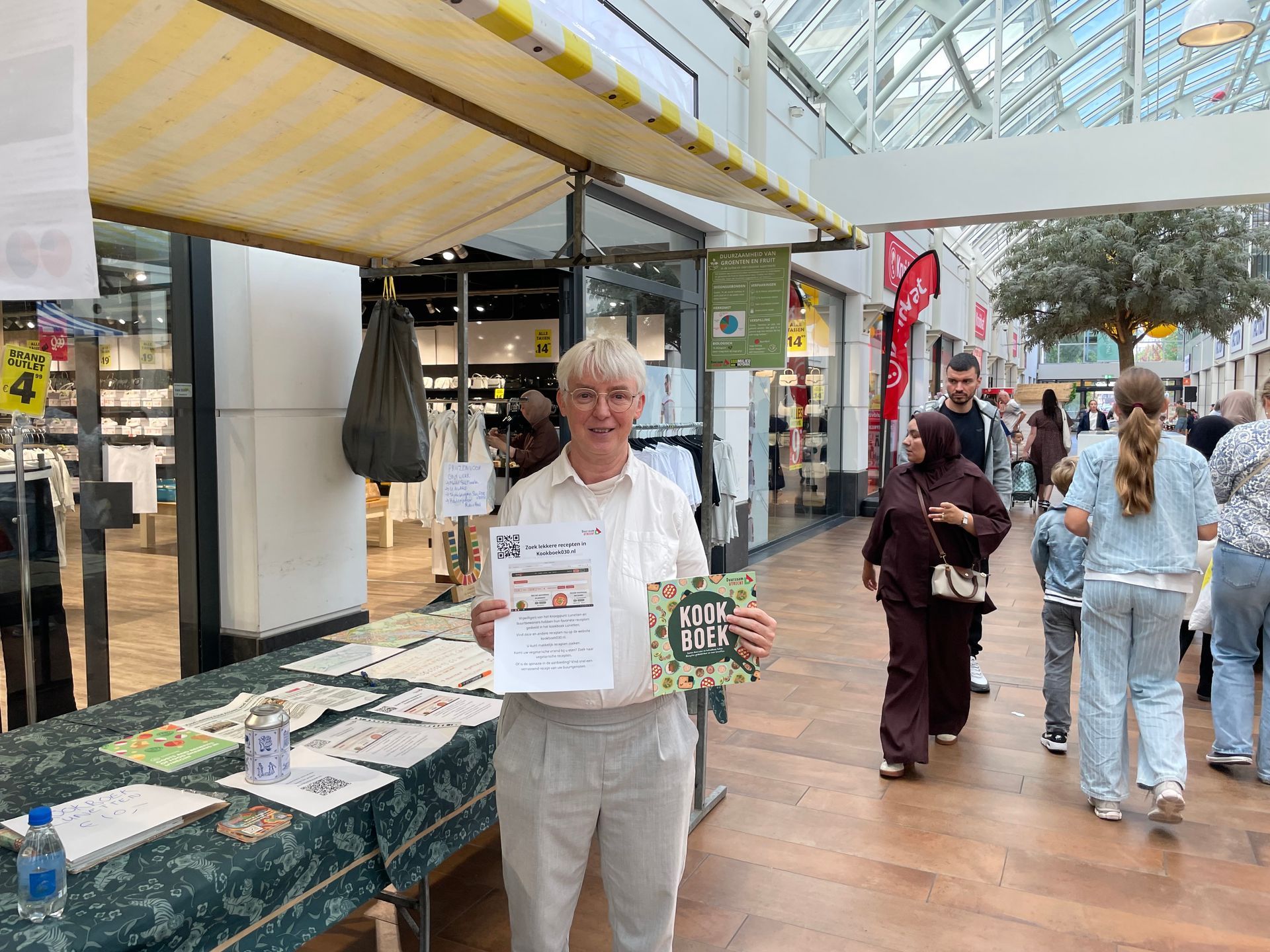
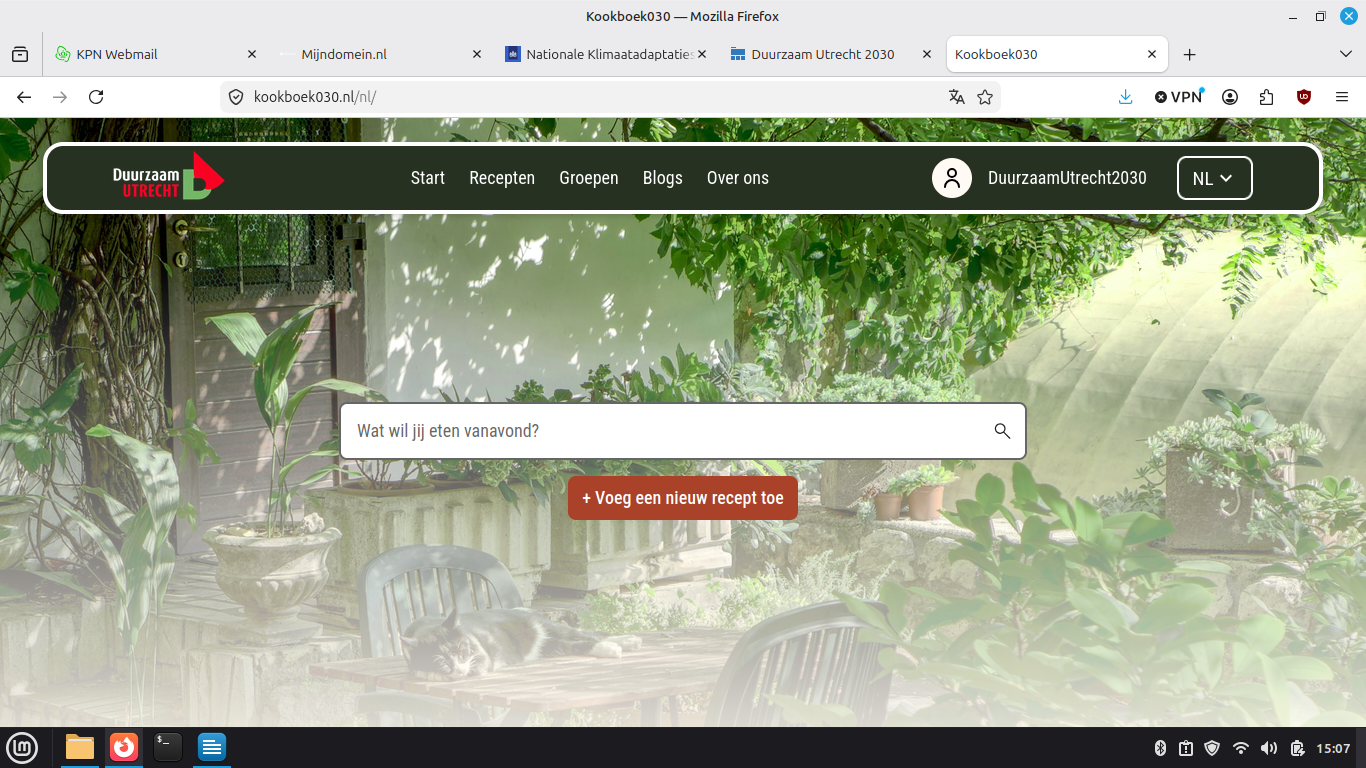
The Monday after this street interview session, two of us met up with the UU informatics students who are working on the cookbook website. This is a promising project, so we are now discussing what our role can be as UCU students: How can we help them make this project work and think of helpful/fun/interesting tools to add to the website to make people become more sustainable, or make it easier?! The conclusion is that we have a couple ideas e.g a map of Lunetten, with different marked spots with an explanation, that are tied to sustainable goals. For example where to buy local or organic food in which supermarket. We are still brainstorming, but we already planned a second meeting, so we’re excited to continue with this collaboration! We will soon attend some community dinners, so we’ll have an update on that next week :)
See you next week!
- Sasha van Twillert